
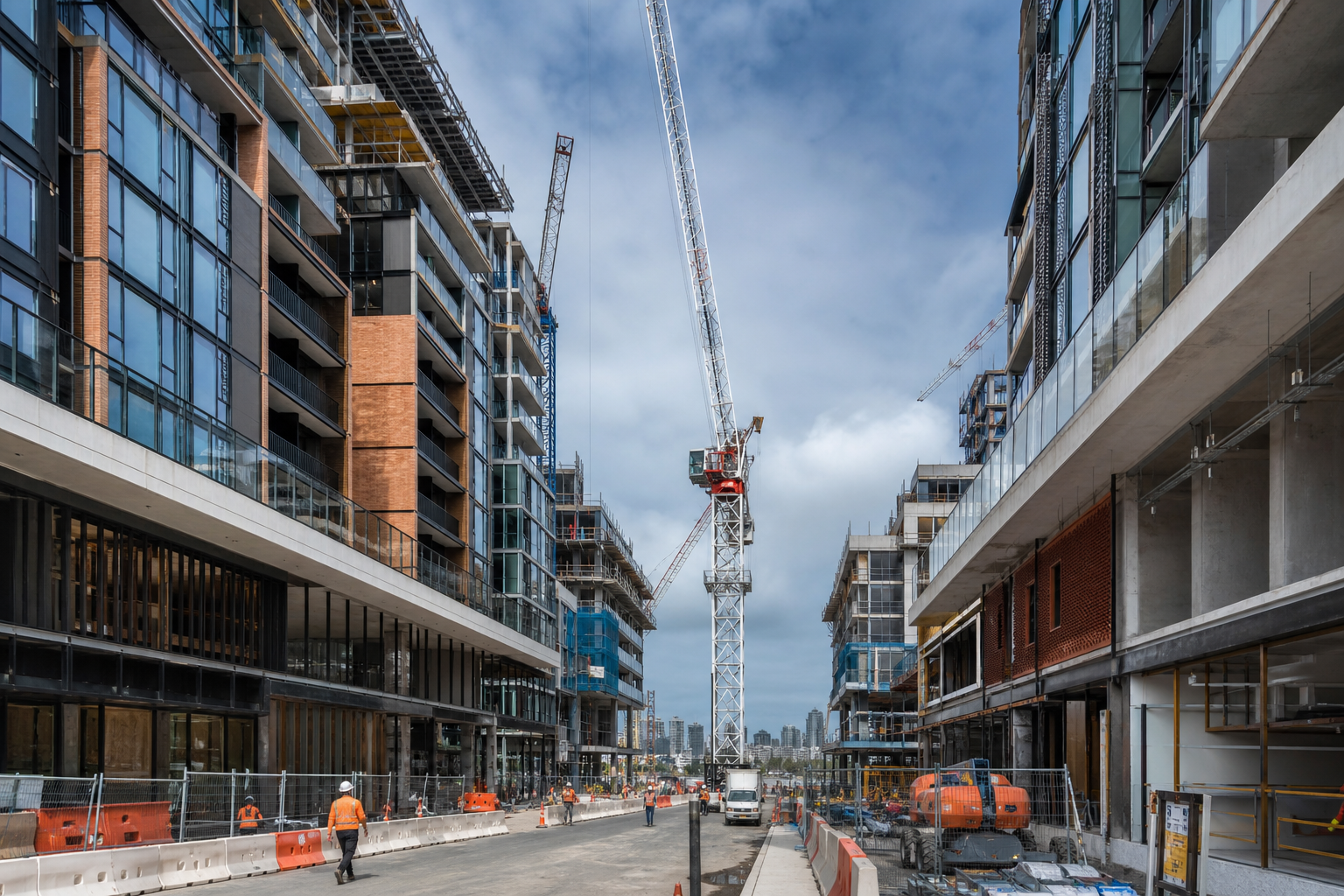
Inner-corridor mixed-use renewal — metropolitan Adelaide, multi-storey residential with ground-floor activation. Advisory across feasibility, planning coordination, and delivery oversight for an owner consortium.
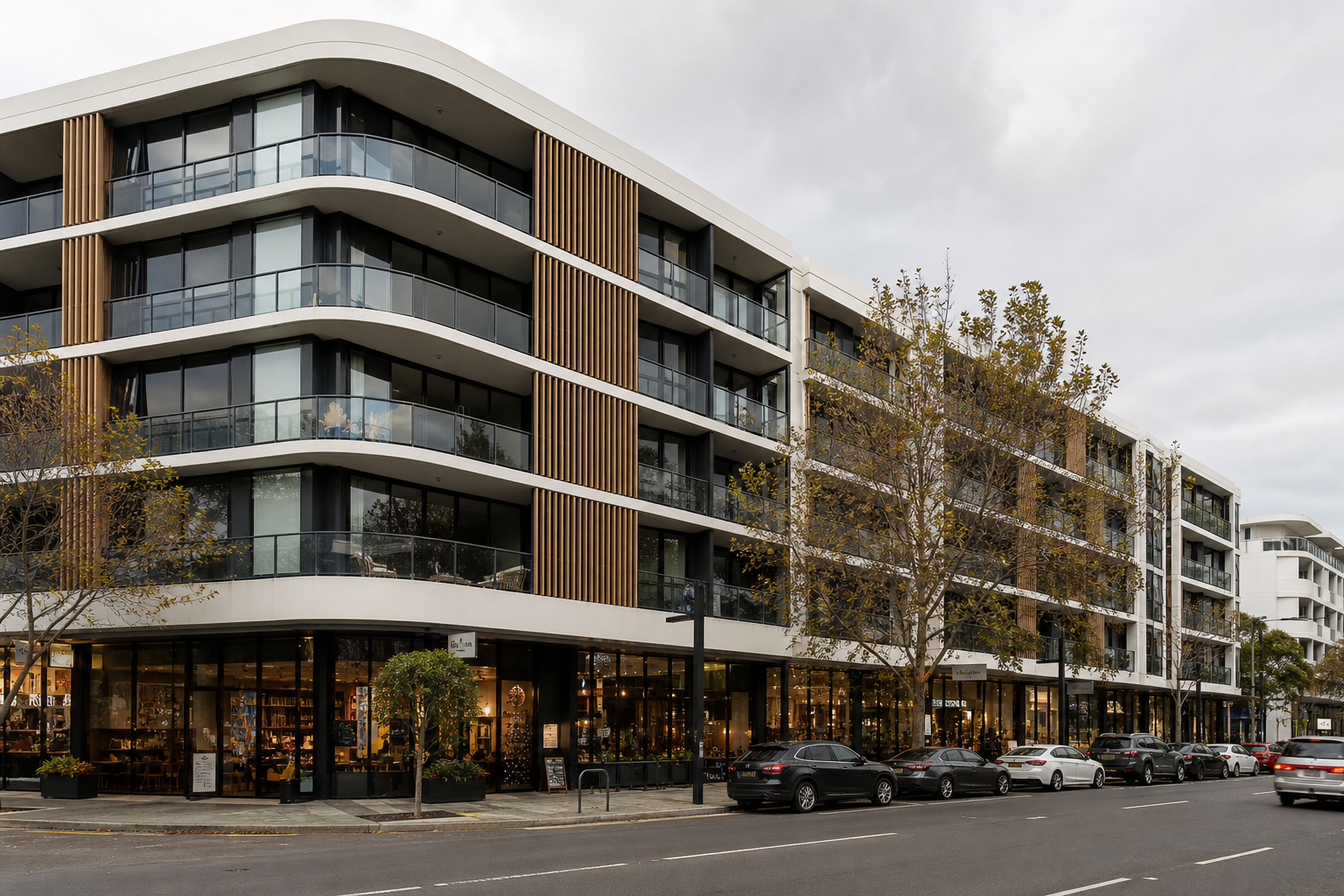

Context
The site sat within a transport corridor policy area with competing objectives: density uplift, streetscape continuity, and acoustic constraints from an adjacent arterial route. The owner group had concept sketches but no integrated feasibility tying planning risk to yield and construction cost.
Difficulties encountered
- Planning policy required active frontage, but initial layouts prioritised parking visibility over pedestrian engagement.
- Acoustic consultant recommendations arrived late, forcing façade revisions after planning submission.
- Two investors held different risk appetites on podium versus tower sequencing.
- Authority requests for further information extended programme by ten weeks during a tightening construction market.
Our response — Define & Align
We restructured feasibility into three envelope options with shared cost bands and planning risk notes. A decision log recorded investor approvals at each option gate. We integrated acoustic and traffic inputs before lodgement, chaired a revised consultant workshop, and mapped RFIs to responsible authors with due dates.
Our response — Deliver
During construction we maintained a conditions register linked to trades packages - landscaping, waste, and hours-of-work conditions were assigned before services rough-in. We reviewed variation claims against site records and recommended owner positions on two programme extensions, one granted with documented weather and supply chain evidence.
Outcomes
Planning consent was achieved with manageable conditions - no appeal. Construction reached practical completion with a defect list closed within agreed timeframes. Investor reporting remained consistent through monthly packs. The owner group cited reduced rework between planning and documentation as the primary value delivered.
Lesson: Corridor sites punish late specialist input. Front-loading acoustic and access discipline saves more than it costs.
Back to portfolio · Discuss a similar site
`nProcurement outcome
Tender returned within an acceptable band after scope matrix alignment. Preferred contractor appointed with clear exclusion of provisional sums that previously distorted comparison.
Operational legacy
Owners retained digital registers for conditions and defects used on a subsequent adjacent acquisition—methodology replicated without restarting processes.
Design documentation phase
Documentation tranches were issued with planning condition references embedded in specification sections, reducing contractor RFI volume at tender.
Planning pathway
The project proceeded under performance-based assessment with acoustic and traffic evidence supporting departures from default controls. Pre-lodgement feedback shaped the envelope before formal submission, reducing appeal exposure.
Investor reporting
Monthly packs separated facts, decisions required, and recommendations. Investors approved variation thresholds in advance, speeding responses when acoustic façade changes affected cost.
Transferable practice
Corridor projects benefit from integrated specialist input before lodgement and living conditions registers through delivery. Owners replicating those tools on later sites reported fewer late variations.
RFI recovery
After extended RFIs during a tightening market, we re-baselined programme and tender expectations with investors before re-issuing procurement, avoiding a false sense of pre-RFI pricing.
Conditions compliance
Landscaping, waste, and hours-of-work conditions were assigned to trades packages before services rough-in, preventing late discovery during certification.
Corridor projects integrate acoustic, traffic, and investor governance early. Late specialist input remains the most expensive avoidable error on these sites.