
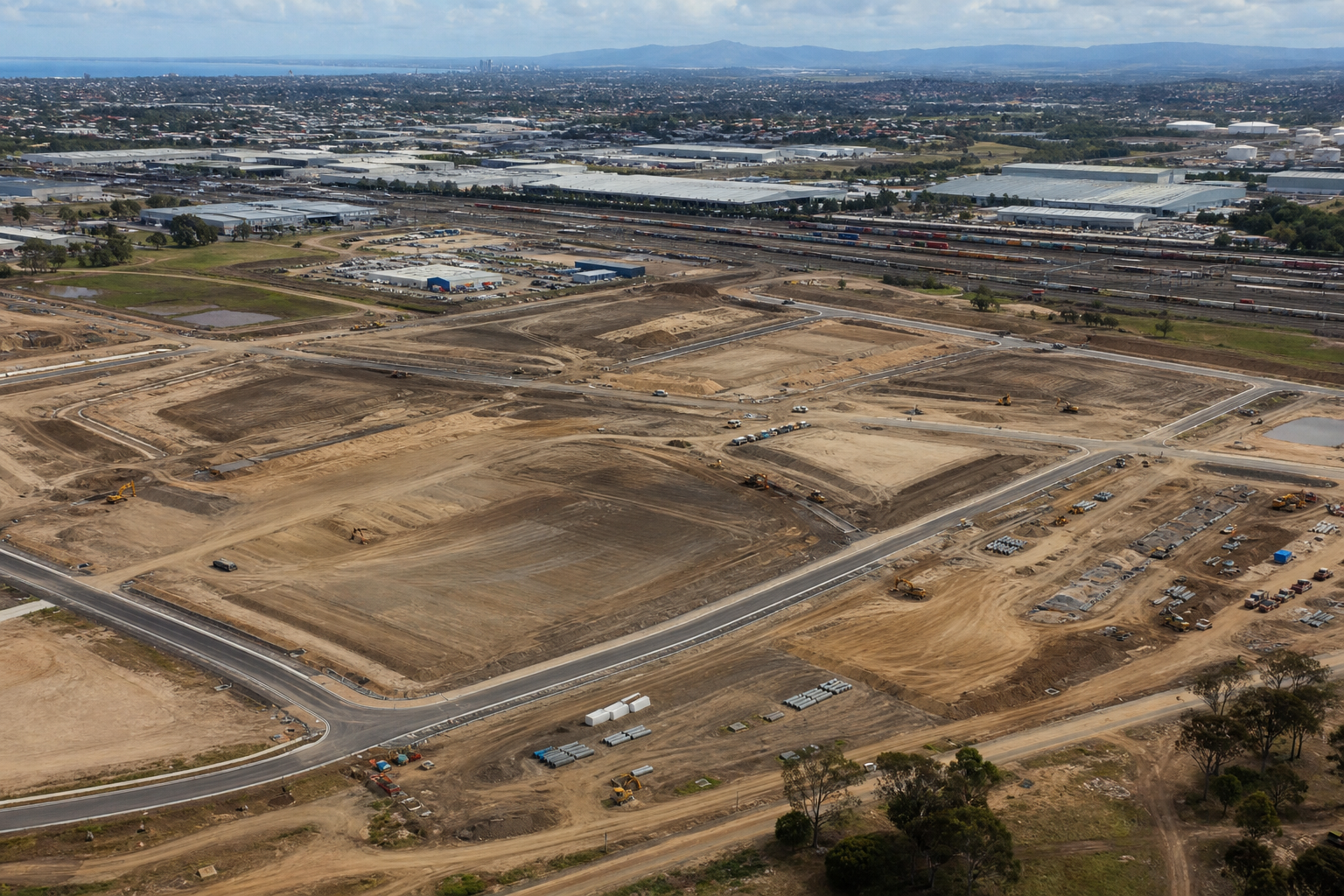
Infrastructure-adjacent precinct — land near upgraded transport infrastructure, multi-lot staging for residential and services. Programme definition and approvals support for an investor-backed landowner.
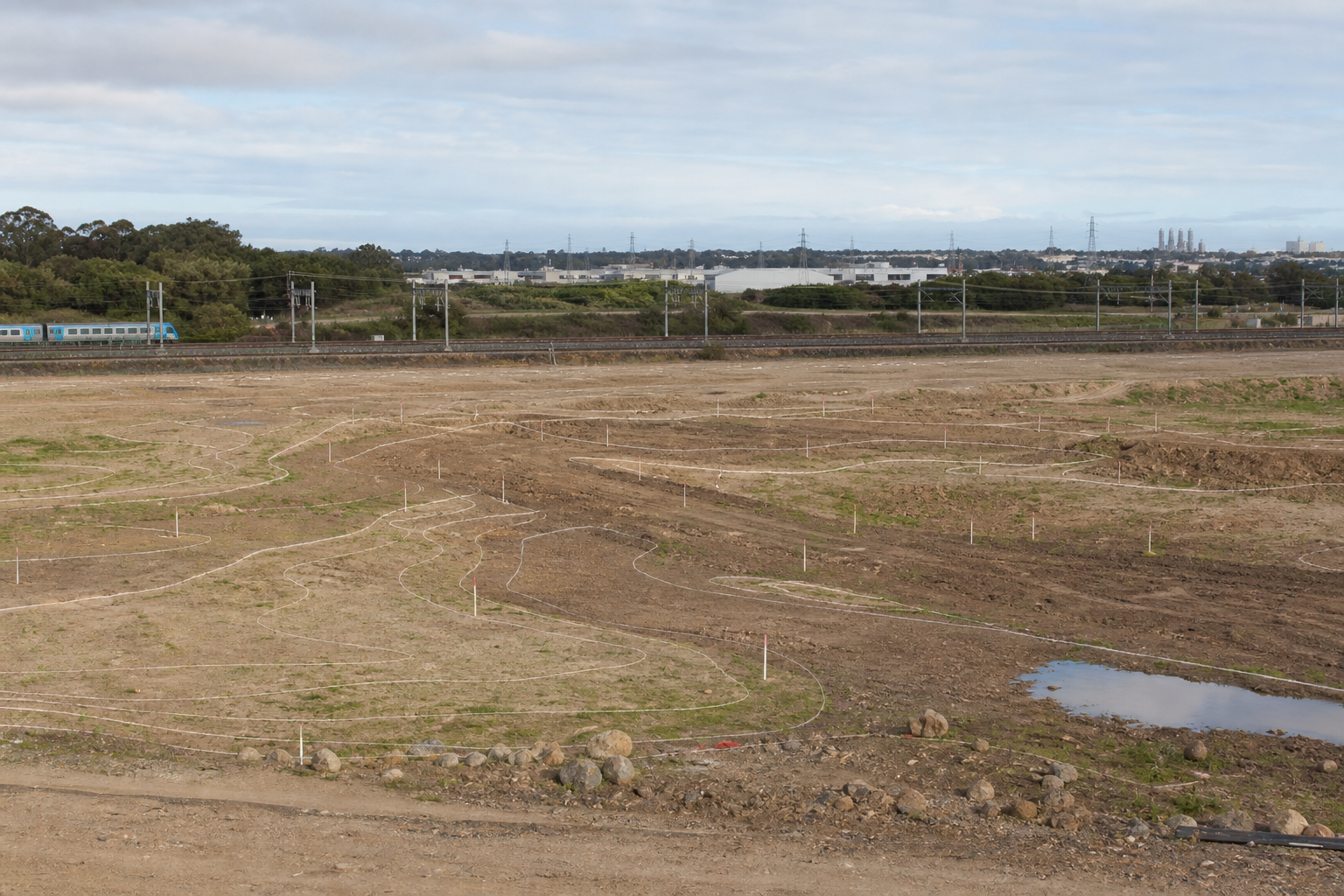
Context
Infrastructure upgrades created uplift expectations across several lots with different ownership histories. The investor required a staged master programme aligning civil works, sales strategy, and planning applications without cross-defaulting approvals.
Difficulties encountered
- Overlapping authority jurisdictions for civil versus building approvals.
- Unclear responsibility for temporary works affecting public realm during staging.
- Initial master plan assumed simultaneous lodgement; utilities capacity studies showed phased connection requirements.
- Market softening mid-programme forced revisiting product mix without invalidating prior planning work.
Methods applied
We defined stage gates with independent planning pathways per lot group where policy allowed. A precinct conditions register tracked civil obligations separately from building permits. We prepared investor memoranda linking programme changes to underwriting sensitivities without advocating specific financial products.
Outcomes
Stage one approvals secured with clear carry-forward rules for later stages. Civil contractor interfaces documented before earthworks. Investor retained optionality on stage two timing without re-lodging entire master plan. Reporting remained stable through market adjustment due to decision log discipline.
`nCivil and building interface
Civil completion certificates were tracked separately from building permits, with a single master programme showing dependencies for sales and settlement timing.
Sales coordination
Marketing releases were aligned to actual approval status for each stage, avoiding premature commitments on later lots.
Staging governance
Each stage had its own programme within a master plan. Investors received memoranda when stage two timing shifted, linking delay to utility connection windows rather than opaque slippage.
Civil interface
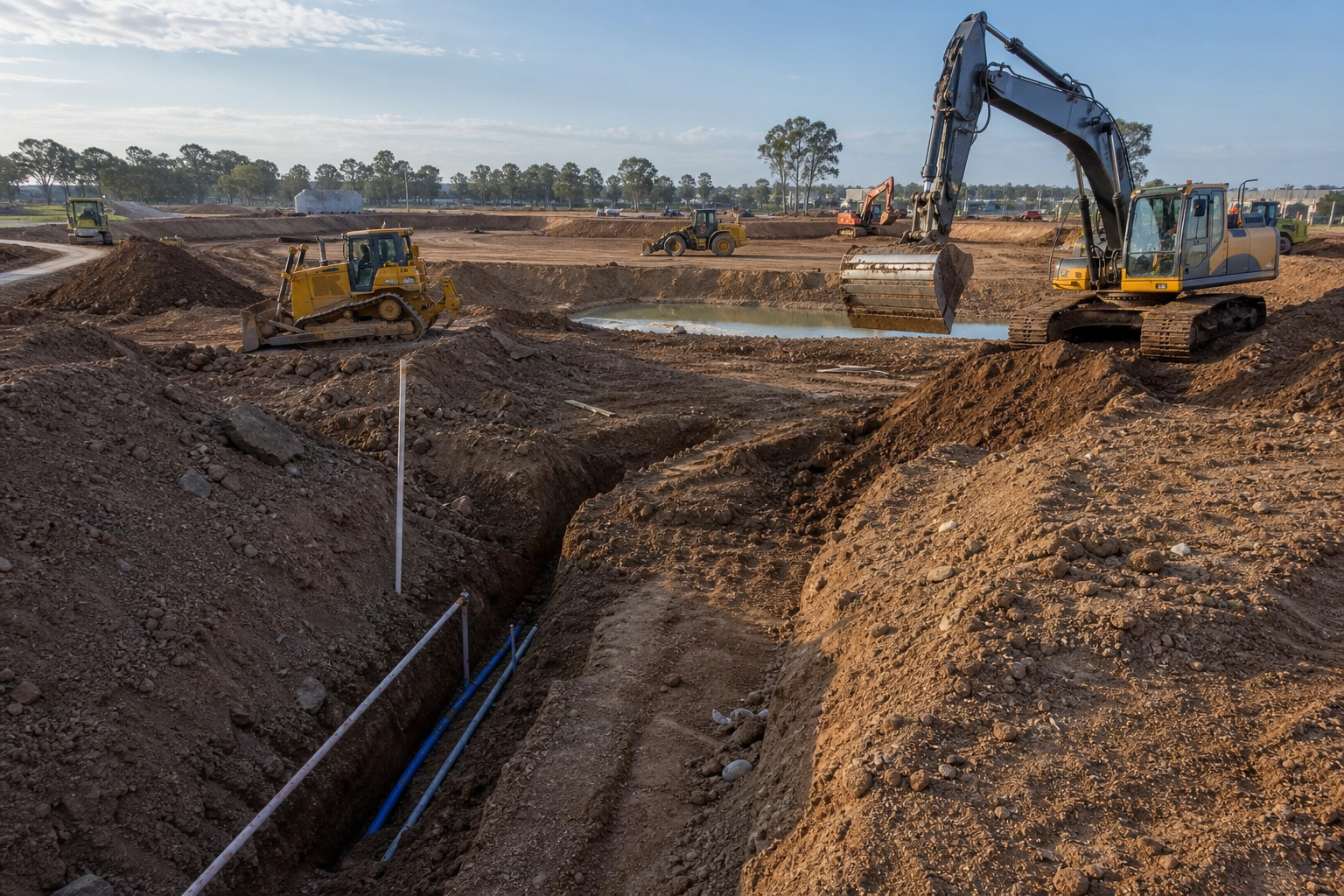
Temporary works affecting public realm were agreed with council before earthworks. Hoarding and crane zones did not conflict with concurrent infrastructure upgrades.
Outcome measures
Stage one completed with sales aligned to actual approval status. Stage two approvals carried forward without re-lodging the entire precinct plan.
Utility programming
Connection dates from utilities were tracked as programme drivers equal to planning approval dates for each stage.
Investor memoranda
When market conditions shifted, we issued memoranda linking programme changes to underwriting sensitivities without providing financial product advice. Stage two timing flexed without invalidating stage one approvals.
Civil completion
Civil certificates were tracked separately from building permits in a master programme showing dependencies for sales and settlement.
Precinct programmes fail when civil and building approvals are treated as unrelated streams. We maintain master programmes and investor memoranda so stage timing flexes without silent invalidation of earlier work.